Part 4 — Small Scale Farming is Big Business — Pete's Greens
Looking for something closer to our "super CSA share" we turned next to Pete's Greens. Pete Johnson operates a certified organic, four season, vegetable farm located on the edge of Vermont's Northeast Kingdom in Craftsbury, VT. He and his family believe whole-heartedly that as more Vermonters eat locally, we will become healthier as communities and as individuals. It was Pete who coined the term "Vermont Can Feed Itself!"
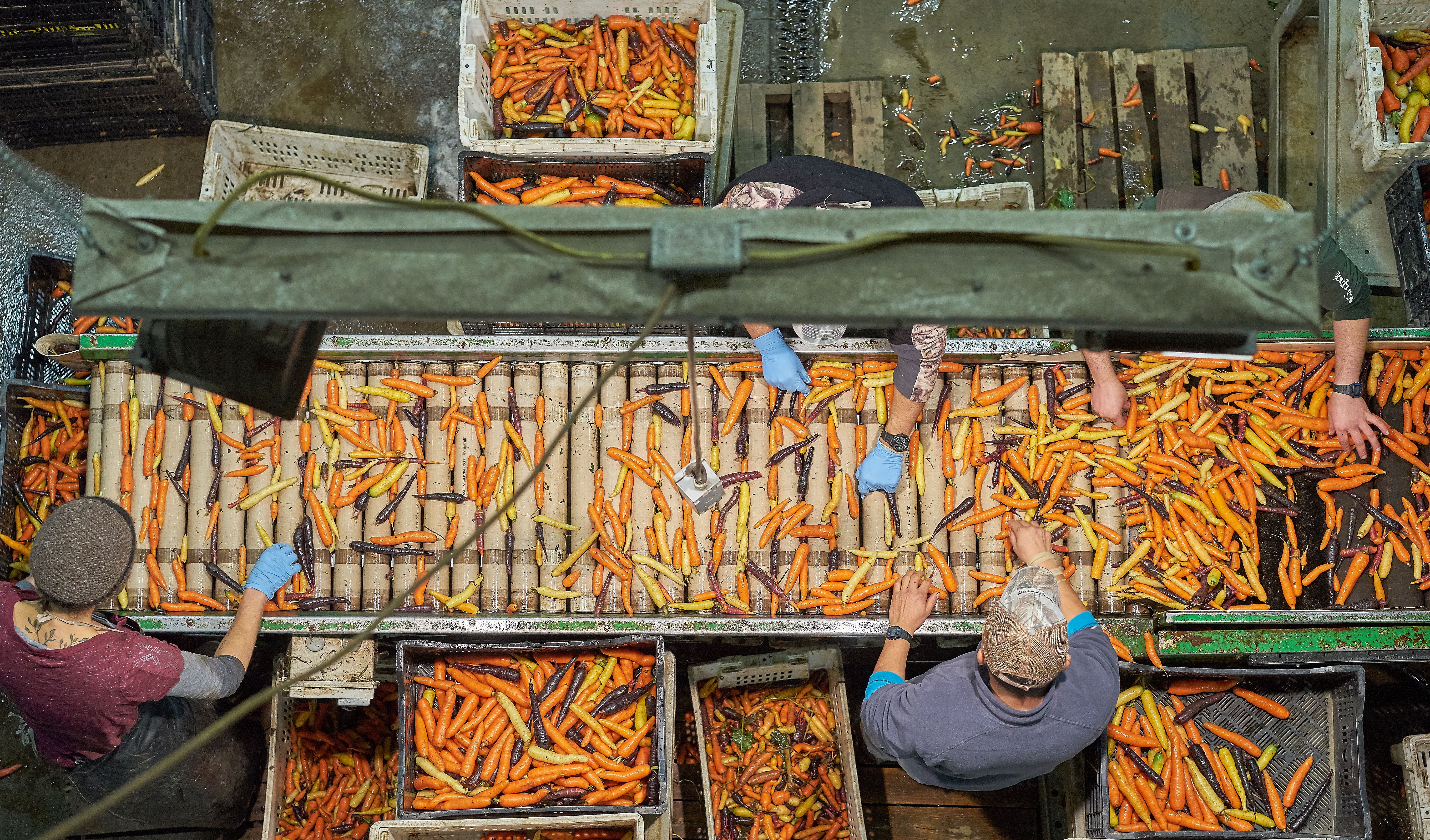
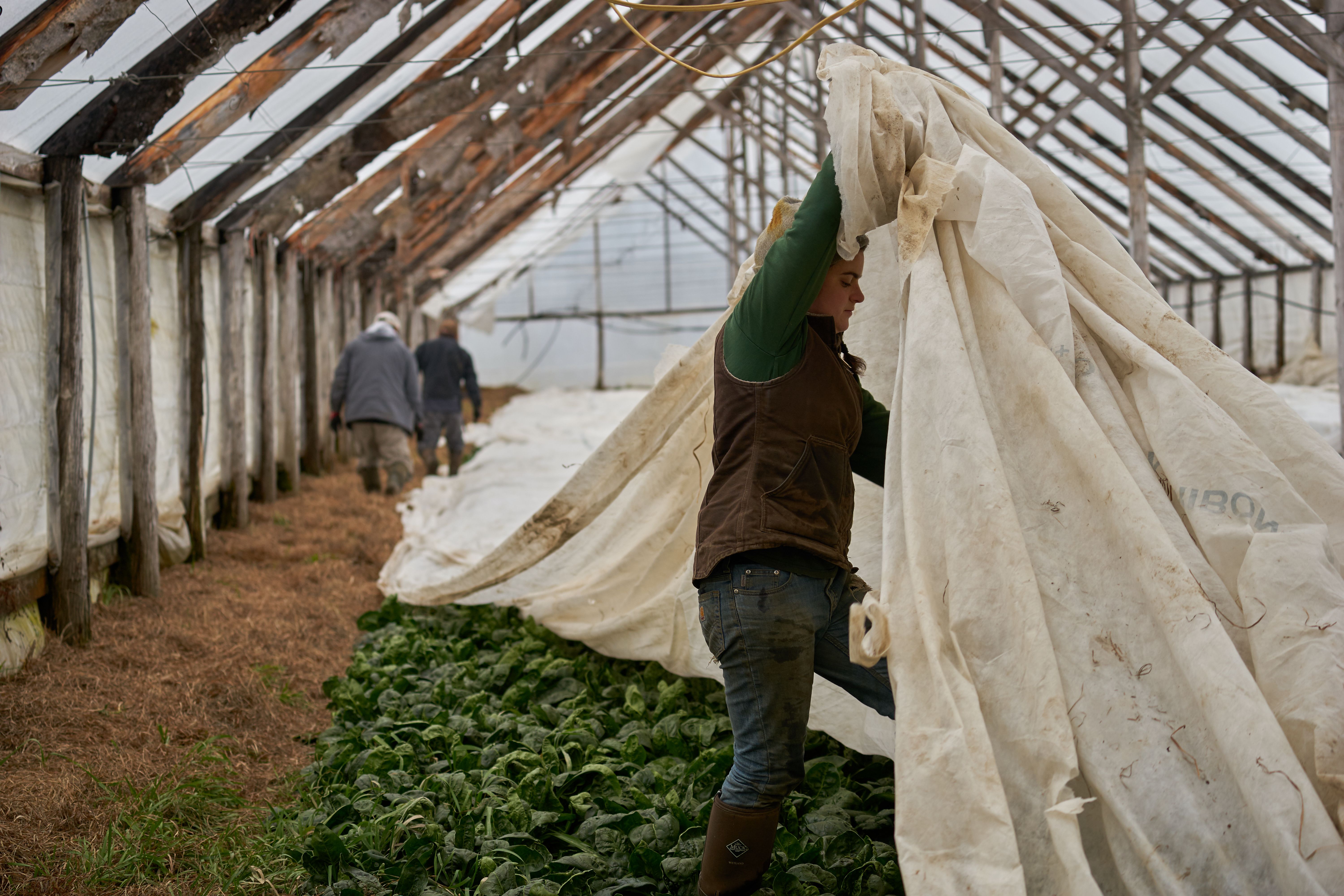
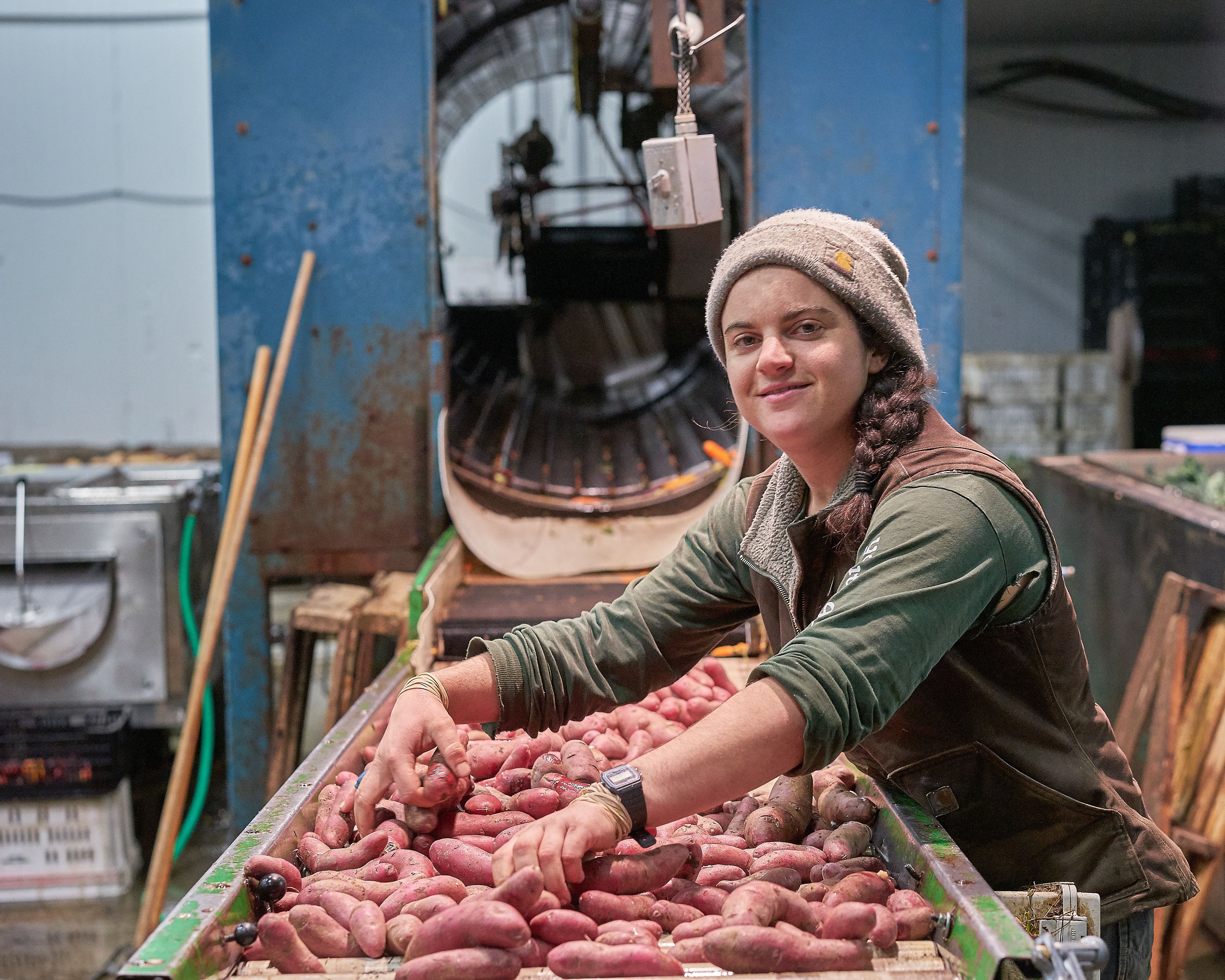
Pete's Greens is a local farm on a different level than the others highlighted in this project. In terms of scale, Pete's is vastly larger than micro farms like Earthwise or relatively small family run operations like Jericho Settlers. Pete's Green's provides fresh local organic produce and meat to all types of customers. They operate a full service and high touch CSA with many convenient delivery locations throughout the state, they cater to multiple and varied corporate accounts across New England including schools, hospitals, restaurants, and natural foods co-ops. In addition to their stellar products ranging from purple carrots to organic pastured pork, Pete's is a solid foundation in the local community. The business is large enough to employ many workers full time driving job production in a state that sorely needs sustainable non-tourist based employment opportunities. Additionally Pete's is successful enough to subsidize housing and board for many of their employees.
The impact Pete Johnson and his team have on the community goes even deeper than providing fresh organic products and employment opportunities. Pete is deeply involved in giving back to the community and active in engaging and supporting other small farmers. The Johnson's were personally touched by tragedy early on in their farming efforts. In February 2011, a devastating fire destroyed their barn. The community outpouring of assistance was astonishing. The Johnson's received many donations and aid from those around them. Through the goodwill of the community, they were able to get back on their feet and become the success we see today. This outpouring of aid along with what the whole state witnessed after Tropical Storm Irene came through at the end of August 2011, which impacted so many Vermont farmers, cemented the idea in Pete's mind that a "Vermont Farm Fund" could play an important role. Though still recovering financially from the fire, Pete's Green's was able to pay forward a large sum of the donations into a new fund to enable the VFF to start giving loans to farmers in crisis. Once launched, more donations to the fund came in from individual donors, classrooms of school children, and other non-profits like the Waterwheel Foundation who generously donated $50,000. Within 3 weeks, the Vermont Farm Fund (VFF) had begun awarding 0% interest loans of $5000 or $10,000 to farmers who sustained damage from Hurricane Irene. And that legacy and fund continues to this day. A true revolving loan fund, the VFF uses payments made from one generation of loans to finance the next. The result is a growing community of farmers lending money to farmers when it is most needed, in a timely manner, and without a lot of red tape. When farmers and food producers take a loan from the VFF, they become part of the larger agricultural lending community; it's their payments that are in essence "paid forward" to be invested in other sustainable businesses, promoting a virtuous cycle.
In conclusion, seeing the same farmers weekly when buying your entire food haul for the week, chatting with them about soil management practices, their latest endeavors in small scale production, sharing their joy in the success of a new "glamor" vegetable (good luck finding Romanesco in a "normal" CSA!), brings a whole new definition to the idea of "know your farmer". It has become abundantly clear to me that indeed "Vermont can feed itself". In a nation increasingly interdependent and an industry both risk and innovation averse, Vermont farmers swim together against the rising big agro, Monsanto tide.