Part 3 — And The Beet Goes On — Jericho Settlers
After living in what we affectionately referred to as our VT shack for several years with two adults working from home, a new baby, two big (and loud) dogs, one very talkative cat we decided it was time to make the move to a bigger home. We were very committed to our new home state and had no desire to leave Vermont with its beauty and sustenance. And so we started the search for a new home, looking to retain some of the natural setting and sense of community we had come to love in our current town, while adding in greater access to schools for our new son. Settling on the quintessential village of Stowe, Vt - we sold our home, said goodbye to our beloved farmers and moved 65 miles north to start a new adventure.
With the move came many joys and some sorrow. While we now had easy access to a wonderful community, ample recreational opportunities, and an awesome locally sustained organic co-op, we found it was not so easy to establish relationships with new farmers. We still had access to much of the food we had grown used to but found we were missing that vital association of connecting the knowledge and relationship with a producer to the end product.
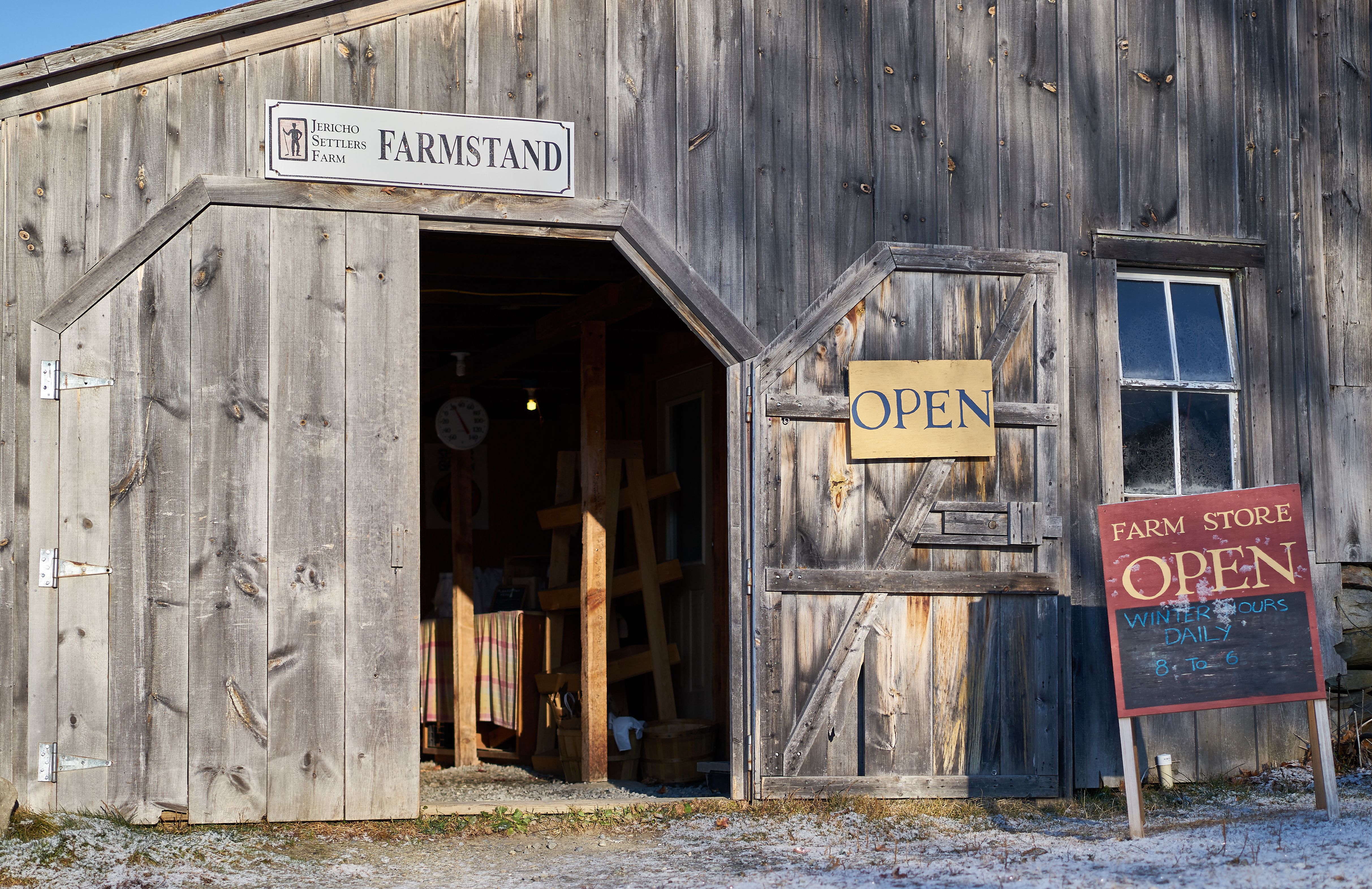
Our search for new farmer friends led us to the Burlington Farmer's Market, one of the biggest markets in the state which allows direct access to Vermont farmers and artisans in Burlington's historic downtown. And while it was certainly a fun and festive year-round environment, we noticed a greater emphasis on crafts and gifts versus an abundance of real food. Certainly there was local organic produce, pastured meats, hand-crafted cheese, but with a crowd focused on treats, a sense of community gathering together for sustenance was lacking. Determined to replicate what we had lost in the move, we delved deeper and put more effort into actively developing new sources. Enter Krista, who owns and operates Jericho Settlers Farm. Our first meeting with her involved an in-depth conversation on their meat production practices, an offer to save the next round of chicken feet for my wife to add to our home-made chicken stock to increase the gelatin content, and more greens than any other vendor at the somewhat sparse winter market.
We joined their CSA (Community Supported Agriculture) program for both a weekly vegetable share and a meat share for local pastured meats. A "typical" CSA is a structured program which allows consumers to buy local, seasonal food directly from a farmer. This produce is available in "shares" which is usually a weekly box of vegetables, along with some other farm products such as cheese or bread. CSA shares are usually picked and packed by the farmer which allows for easy pickup by the consumer at the farm or otherwise specified location. A healthy CSA program is a must for small-scale farmers as it allows them to market their produce ahead of the busy growing season, receive payment early in the season to help with the farm's cash flow and get to know the people who eat the food they grow. CSAs also directly benefit the consumer by providing fresh local produce, cost savings as CSA vegetables are typically offered at a discount vs market or merchant pricing, exposure to new varieties of vegetables, and the opportunity to know and talk with the farmer who grows their food.
While very happy with the quality of produce we found the quantity to be less than what we needed. We were "super-share" members with Evening Song Farm, meaning we would write a check at the beginning of the season, take everything we wanted both for weekly eating and winter preservation, keep a running tally and then settle our account at the end of the growing season. We usually netted out at being in the ranks of the corporate accounts with the flexibility to choose from the CSA produce list. Interestingly, in conversations with Krista during this project, I learned that they recently cut back on the quantity of vegetables offered in the normal CSA share as folks were having trouble using up all the fresh product before it would spoil. Clearly, this is not a concern in our household!
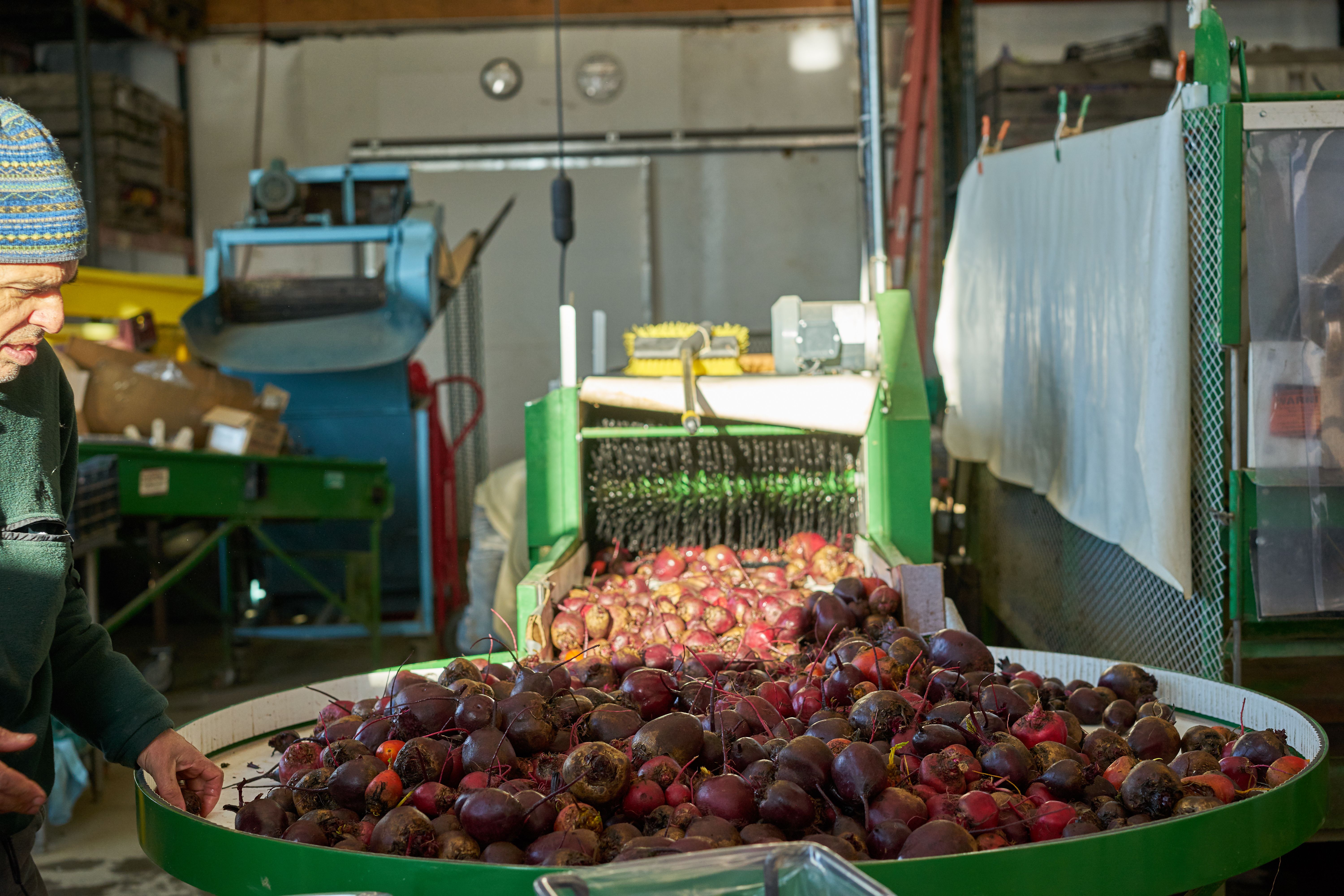
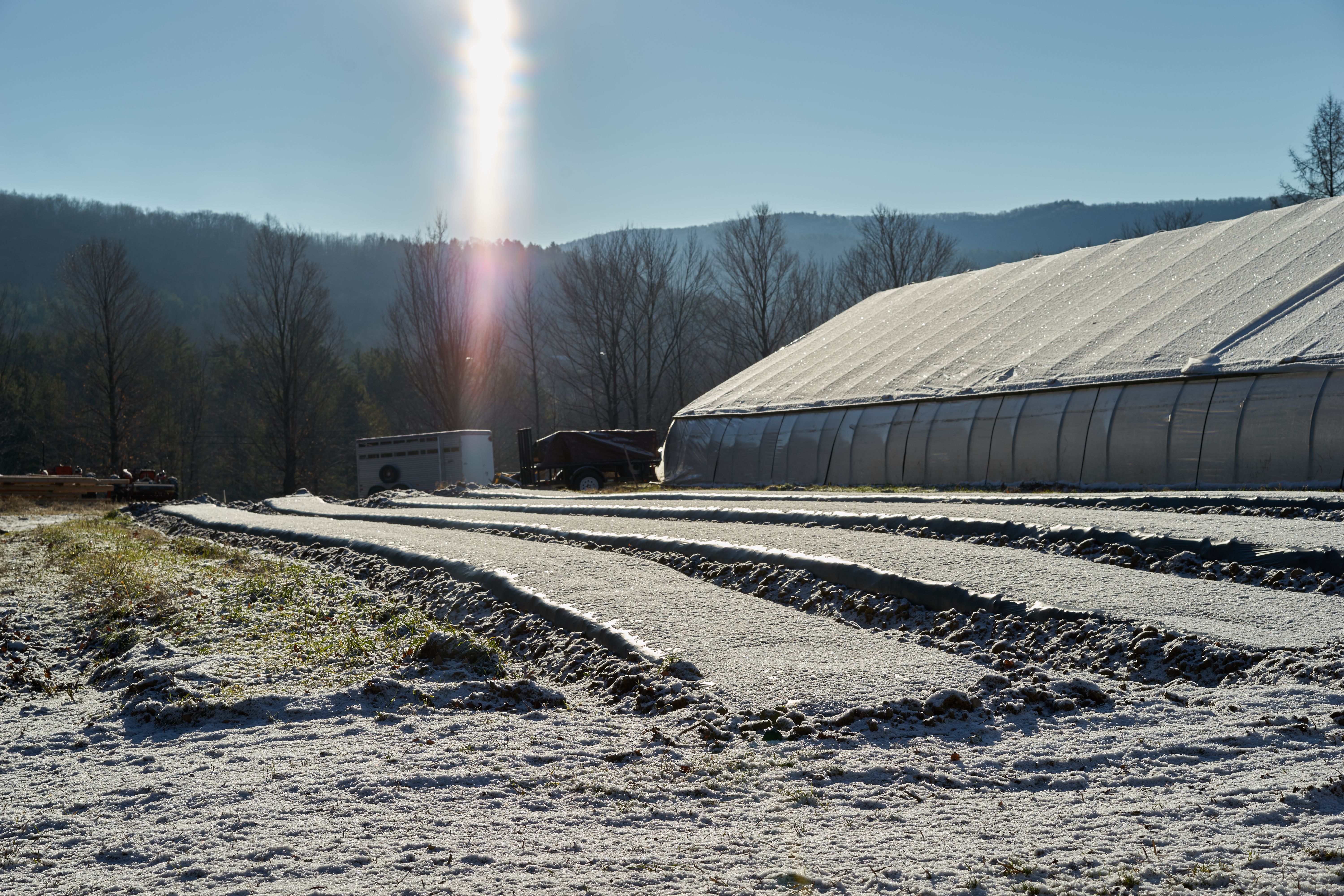
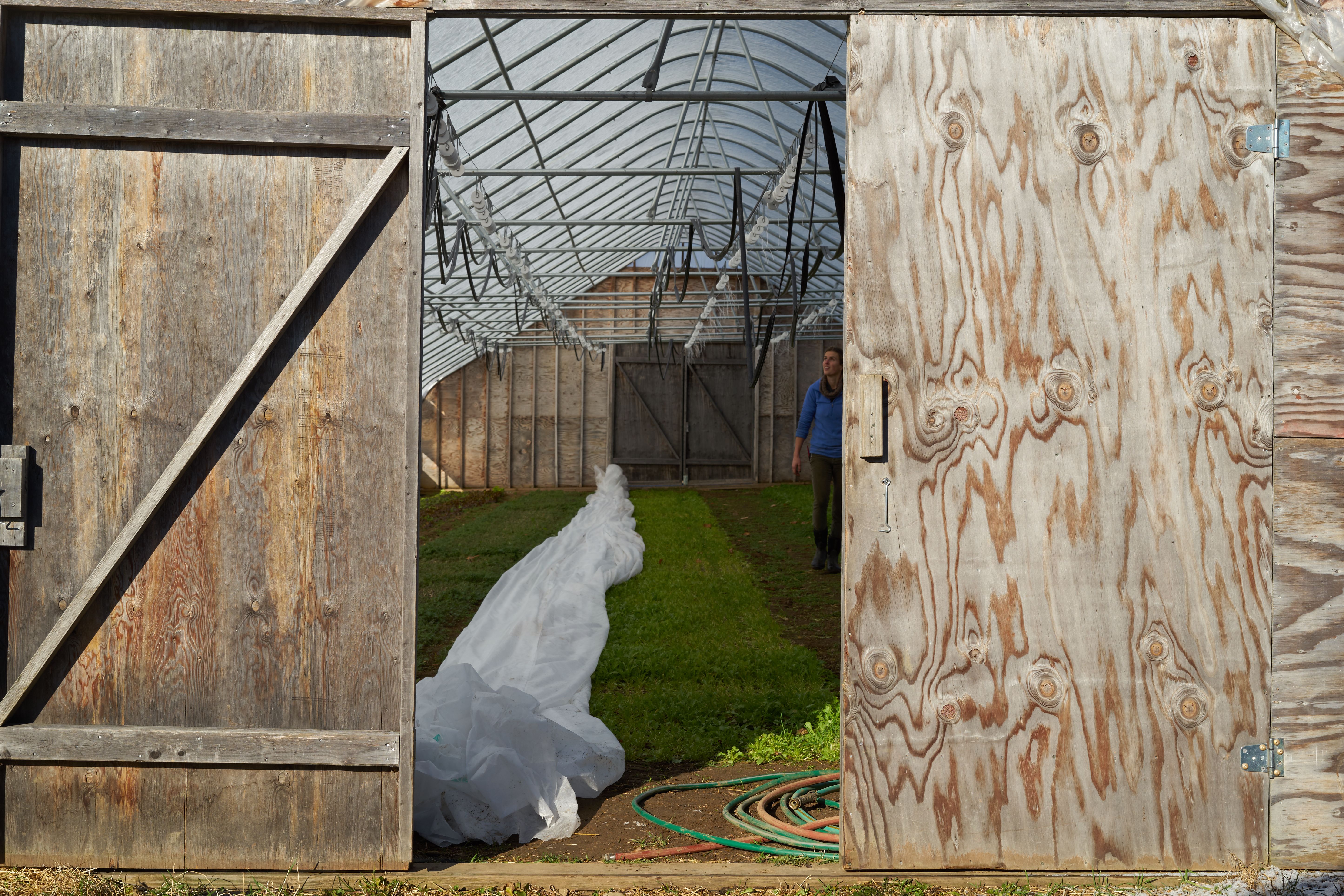
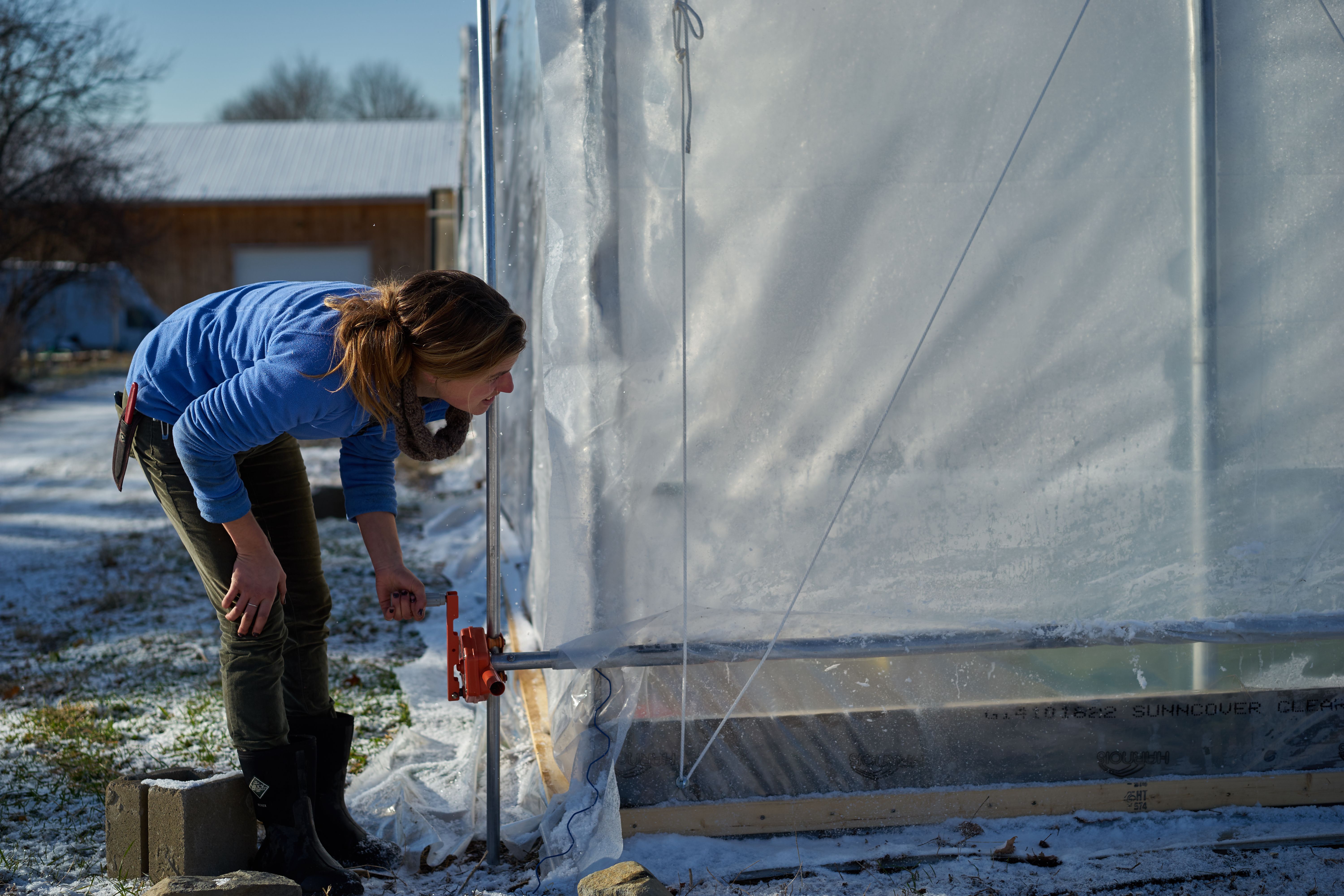
In contrast to micro scale farms like Evening Song or Earthwise, Jericho Settlers is a relatively larger establishment though still incredibly small scale compared to the large hyper-specialized farms of the country's agricultural belt. Krista shared how they operate on a different model, providing direct to consumer produce via CSAs and farmer's markets but primarily focusing on corporate accounts with local businesses, restaurants, and schools. Their farming techniques are accordingly more mechanized and they leverage technology where possible from harvesting machines to automatic produce sorting facilities to a cloud-based supply chain and inventory tracking system. Interestingly however, many of their projects are still "community-supported", a prime example being their newest heated greenhouse which was funded by a local hospital who is accepting payment on a rolling basis in the form of fresh greens for their kitchen. The community's investment in this local farm in the form of a greenhouse is directly returned to its most in-need citizens, the hospital patients, through local, organic and nutrient-rich produce to help heal and cultivate sustainable wellness.